meditation-g959451490_640

What You Should Not Do When You’re Grieving

  • Don’t suppress your feelings – allow yourself to cry and release your emotional pain.
  • Don’t isolate yourself – reach out to family and friends, stay connected over the phone if you can’t meet in person. Share your thoughts and feelings with those you feel safe with and don’t hesitate to ask for help, emotional support or whatever else you need, even if it’s just company to go for a walk.
  • Don’t interact with toxic people who drain your energy or make you feel bad about yourself.
  • Don’t neglect your health – make sure you eat nutritious meals, drink enough water to stay hydrated, exercise regularly and get the sleep your body needs to feel rested.
  • Don’t rush into anything or put pressure on yourself with shoulds and shouldn’ts. Allow yourself time to heal before taking any major decision or making any change in your life, if there’s no urgent need to do so.
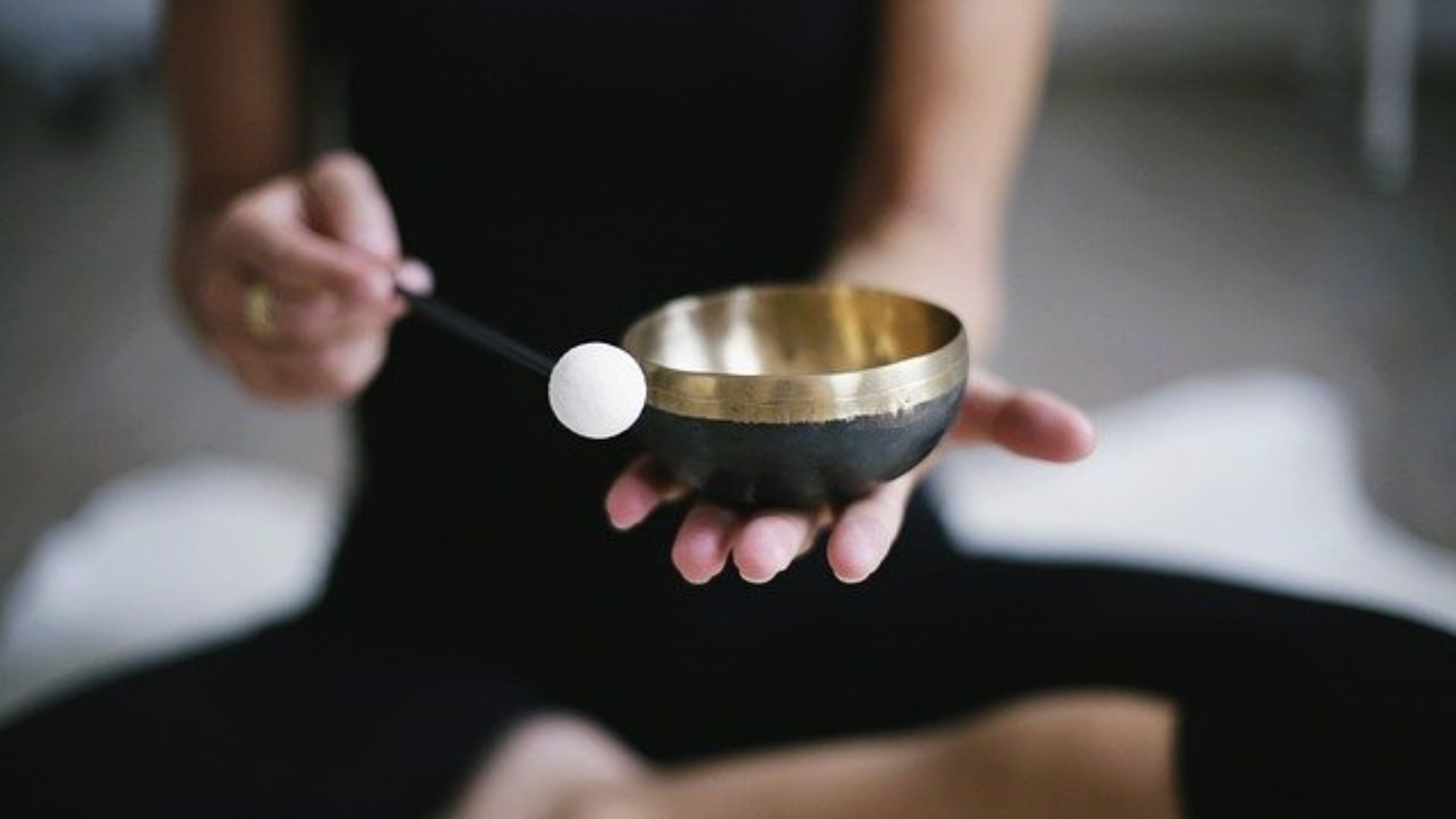
  • Don’t overthink. Refrain from brooding over the past and replaying any painful memories in your mind, or thinking ahead to the future. Try to keep your attention on the present and live one day at a time. A daily meditation and mindfulness practice will enable you to stay centered and in the present, and help you have greater peace of mind.
card-ga2efcec1d_640

The Importance of Gratitude

One of the best ways to shift your thinking from the positive to the negative is by feeling grateful. When you do this, you are likely to discover that you have countless blessings in your life—these could be your loving family and friends, your work, your good health, your talents or simply the remarkable natural beauty around you—which hitherto you may not have been aware of, or you may have simply taken them for granted.

A nightly practice of self-reflection when you review your day and give thanks for all your blessings before you go to bed, can also be very comforting. This can be a simple process of self-observation without any sort of analysis or criticism of the recollections of the day.

Simple, everyday things can give you immense joy, but you have to notice them first. Unfortunately, most of us tend to take the simple joys for granted and typically don’t pay attention to them, appreciate them or feel grateful for them. There is plenty of evidence from research studies that links gratitude to happiness, health, and stronger relationships. A 2011 study found that people were motivated and energized when they experienced gratitude, while a 2009 study discovered that gratitude led people to believe they deserved positive outcomes for themselves and could achieve them. In a 2003 study, participants who counted their blessings reported fewer physical symptoms of illness.

Make gratitude part of your daily life and experience a shift in your mood and overall outlook to life!

red-rose-on-the-floor-g8c8b50f34_640

Seek Help From Family, Friends & Experts

  • Given the emotional state you are likely to be in, it’s important that you take your time when taking major decisions. Make a list of tasks and postpone those that can wait.
  • Share household tasks and responsibilities. It will take time for you and your family to adjust to new responsibilities at home. Discuss changes in duties with other family members and establish a routine that everyone is comfortable with.
  • Ask for help when you need it instead of trying to do everything on your own. Be specific about what you need and graciously accept any help that is offered.
  • Seek help with financial and legal matters. Talk to a reliable legal and/or financial expert and plan your future.

Remember to pat yourself on the back and feel proud of the progress you make towards your goals even while you are grieving.

board-g65ba1ab69_640

Dealing With Change After the Death of a Loved One

Changes in your interests, priorities and goals may affect your relationships after you lose a loved one. You may get closer to some friends or family members while you may grow apart from others. You may also develop new friendships.

You may no longer be interested in activities you previously enjoyed and you may develop new interests. These could include becoming involved in activities that were important to your loved one or volunteering.

If you were a caregiver to a loved one, you may feel lost after their death. You may feel a deep sense of emptiness with all the free time you have. You will need to find a new purpose and a new routine to fill the void you are experiencing.

The death of a loved one can also bring changes to your family’s income. You may need to focus on finding a job. Consult a career coach if you are returning to work after a long time or going to work for the first time.

girl-geafa37bc2_1920

How Do You Cope With Grief?

  • It is natural and healthy to grieve so allow yourself to do so without feeling guilty or ashamed, or judging yourself. There are no shoulds or shouldn’ts in the grieving process. Allow yourself to fully experience all your feelings. Set aside some private time every day to think about your loved one and experience the feelings that come up.
  • Develop a support network of friends and family if you don’t already have one. Share your feelings with people you trust and feel safe with. When you lose a loved one, other loved ones gain even more importance in your life and you need to turn to them for support.
  • Develop a daily routine that keeps you busy so that you don’t have time to think of your loss.
  • Write down your feelings in a journal.
  • To maintain a sense of normalcy and security and to reduce your stress, avoid making major changes, such as getting a new job or shifting house, soon after a loss.
  • Be self-compassionate. Forgive yourself for the things you regret doing or saying as well as not doing or saying, and instead focus on your good memories.
  • Find ways to connect with the loved one you have lost. You could light a candle in their memory every day, and have a designated time daily or weekly when you look at their photos or videos and recall fond memories.
  • Establish a self-care practice. Grieving is both emotionally and physically exhausting which is why you need to get enough sleep, eat a healthy diet, and get sufficient physical exercise.
  • Find a physical activity that you enjoy – it would be even better if you could find someone to do the activity with. Playing a sport or simply hitting a punching bag may help release frustration or anger.
  • Join a support group. Support groups offer you the chance to talk with others who have similar experiences – this helps reduce feelings of self-pity and ‘why me’.
  • Seek professional help. A mental health professional can help you process any intense or complicated feelings that may surface during the grieving process.
desperate-g24684b992_1920

What Is Grief?

The death of a loved one is one of life’s toughest challenges. It can take weeks, months and even years to come to terms with the loss of a spouse/partner, parent, sibling or child. Often, the death of a loved one is life transformational and can throw your present and future into turmoil.

You are overcome with grief which comes in different forms and encompasses a range of feelings – you can feel shock, numbness, sadness, denial, despair, anxiety, anger, guilt, loneliness, depression, helplessness, disbelief, confusion, and difficulty concentrating. You can even experience physical sensations such as tightness or heaviness in the chest or throat, nausea or an upset stomach, restlessness, dizziness, headaches, physical numbness, muscle weakness or muscle tension, fatigue, and insomnia. A grieving person may also become irritable or aggressive. The loss of a loved one may also cause you to question your faith and spiritual beliefs.

Grief can come in waves and cycles with periods of intense and painful feelings followed by periods of positive emotions. You may feel happy one day and be overcome with intense sadness the very next day. Significant dates, such as festivals, birthdays, anniversaries, etc, can be particularly challenging emotionally. Factors that may affect the grieving process include:

  • The way the person died – was it a sudden death or was the person ill for a long time
  • Was the death due to old age or was it an untimely death
  • Whether you have a support network of friends and family or you are alone
  • What are the customs in your culture and society

With the ebbs and flows of grief, your life is unlikely to ever be the same again!

However, research suggests that there is no ‘normal’ period to recover from loss and the process of grief is personal. According to the American Psychological Association, “Most people can recover from loss on their own through the passage of time if they have social support and healthy habits” and “If your relationship with the deceased was difficult, this will also add another dimension to the grieving process. It may take some time and thought before you are able to look back on the relationship and adjust to the loss.”

Even though you may be engulfed by waves of grief and it feels like the pain will never end, the good news is that the intensity of your grief is likely to lessen over time and you will eventually adjust to life without the loved one you have lost.

mistakes-ga7ae2517b_640

How to Stop Being a Perfectionist

If you have very high standards for yourself and others, and find that these standards are rarely met, you could be ‘suffering’ from perfectionism.

Perfectionists cannot tolerate mistakes and typically want whatever they do to be flawless. They have a highly active inner critic who is constantly berating them for making mistakes, even the smallest one.

They are also intolerant of other’s mistakes and may end up constantly nagging and criticising the people they live and work with.

While it’s good to have high standards, if these standards are unrealistic and never attained, you will be in a constant state of stress and negativity. This is certainly not good for your mental and physical health, nor is this good for your relationships which will suffer because of the constant criticism.

Why are perfectionists so hard on themselves and others?

Perfectionists behave the way they do for a variety of reasons such as:

  • They have a fear of failure.
  • They have a fear of rejection.
  • They want to avoid being criticised and judged by others.
  • They feel out of control in their lives and use perfectionism to feel in control.
  • They lack confidence in themselves and have a high level of self-doubt.

At the heart of perfectionism is the deep-rooted desire, probably stemming from childhood, to be loved and accepted for who you are. Perfectionists fear that if they make mistakes or do something wrong, they will not be loved and accepted. They will be rejected.

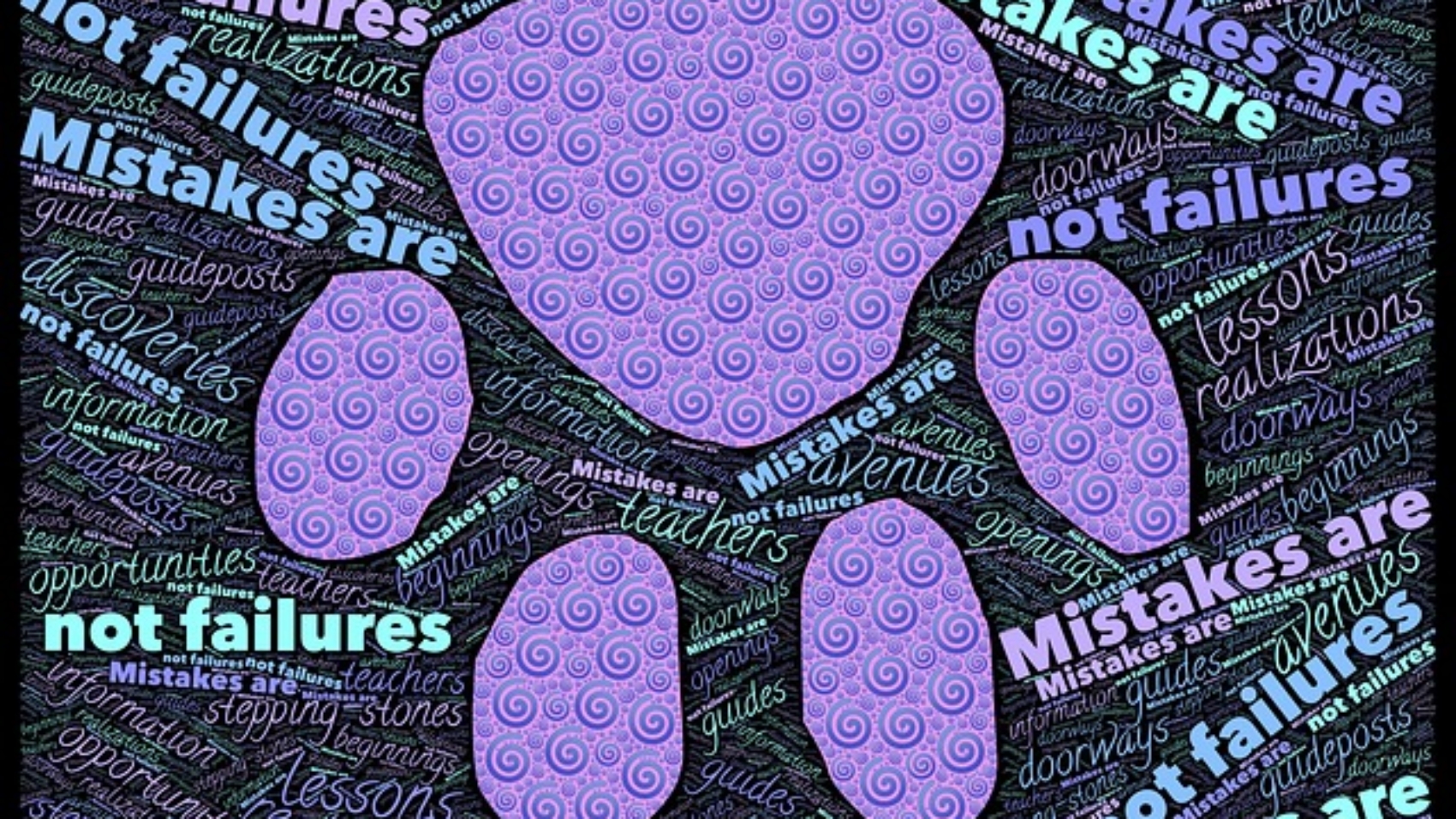
Perfectionists are also unable to tolerate human errors and they see a mistake as a ‘crime’ or being ‘bad’ rather than an opportunity to grow and learn.

According to American author Brene Brown, “People who are walking around as perfectionists are ultimately afraid that the world is going to see them for who they really are and [that] they won’t measure up.”

Tips to Overcome Perfectionism

  • Accept what is: Accept the reality of the situation you are in. And accept your own personal reality and the reality of those you are criticising. Once you accept what is, you will be able to lower your unrealistic standards and set realistic ones.
  • Change your focus from the negative to the positive: Instead of focusing on what is not working in a situation, see what is working. For instance, if you have been critical about your performance on stage, turn your attention to what you did well. This will encourage you to learn from your mistakes and do better next time. You can use this same strategy for evaluating the behaviour of others.
  • Adopt an attitude of forgiveness and compassion: When you forgive yourself and others for making a mistake, you allow yourself to look for solutions rather than staying stuck in negative feelings of guilt and failure.
  • Stop taking life so seriously: Instead of taking life and yourself so seriously, laugh more and have some fun.
  • Take constructive action: Instead of beating yourself up for making a mistake, take action to move forward and achieve your goal.
  • Pursue excellence instead of perfection: Set high standards for yourself by all means but pursue excellence, not perfection. Perfection is negative and keeps you focused on what isn’t working, excellence is positive and focuses on moving forward.
  • Drop the ‘shoulds’ from your life: Ask yourself what you want to do rather than what you should do.

Brene Brown suggests doing a reality check when your inner critic is bombarding you for being a failure. She says you should ask yourself the following questions:

  1. Are my thoughts factual, or are they my interpretations?
  2. Am I jumping to negative conclusions?
  3. Is this situation as bad as I’m making it out to be?
  4. What’s the worst thing that could happen?
  5. Will this matter in five years?

The key to overcoming perfectionism, like with everything else, is to start with small steps and take these steps every day until you break your perfectionist habit and develop a more relaxed and tolerant way of thinking.
smilie-gbe0572310_640

Do You Know How to Have Fun?

This question is a no-brainer you might say but there are countless people out there who are so caught up in the pressures of their daily life that they seem to have forgotten how to have fun.

Fun is an important component of adult life, just like it is for children and adolescents.

So make time for some fun in your life; read a book that makes you laugh out loud, go out for a meal with people who lift your spirits, watch comedies or a stand-up comic act, go dancing, walk along the beach or go shopping if that is your idea of fun. Do whatever it takes to get you into a light-hearted, carefree frame of mind.

Before you can have fun, however, you first need to be aware of what you consider to be fun. For many busy people, this basic self-awareness itself could prove to be a challenge because they may never have stopped to ask themselves what fun means to them. For other serious-minded folk, the belief may be that fun is something they had in childhood and it’s certainly not appropriate or necessary for them as adults.

My suggestion to these people is lighten up before it is too late. Life is not only about stress and pressures and responsibilities and getting ahead and climbing the corporate ladder. It’s also about fun and enjoyment and nurturing your inner child.

So, tune in to your inner voice and find out what fun means to you. And then make sure you get to experience it as often as you can.

resilient-gb7962c2f0_640

‘Tough Times Never Last, But Tough People Do!’

This is the title of a ‘New York Times’ bestselling book that was written back in the 1980s, but its lessons hold true even today.

“Nobody is free from problems. A problem-free life is an illusion—a mirage in the desert. It is a dangerously deceptive perception which can mislead, blind and distract. To pursue a problem-free life is to run after an elusive fantasy; it is a waste of mental and physical energies,” writes the American author Robert H. Schuller who is a televangelist, pastor and motivational speaker.

There is nothing new in this idea you might say, but Schuller’s book makes inspirational reading and provides a useful action plan for coping with troubled times. He says:

  • Every problem has a limited life span and no problem is permanent. Your problem will eventually be resolved just like storms give way to the sun and winter always thaws into springtime.
  • You may not have chosen your problem, but you can choose how to react to it, in a positive or a negative way. You can choose to become stronger and learn from it, or better still turn the problem into an opportunity; alternatively, you can choose to be a victim, and wallow in self-pity.
  • Take action to solve your problem, look for solutions and be patient and persist till you find one. Hang in there till the clouds pass.

Additionally, I would like to suggest that to cope with problems or the ‘downs’ in your life it is essential to build up your ‘armour ‘, your ‘coping toolkit’. And this can best be done when things are going well and you are enjoying the ‘ups’ in your life. To build up your armour and toughen up, be nice to yourself, give yourself small treats and rewards, do your best to enjoy the good times, savour every moment and do not spoil your mood by dwelling on the past or imagining what could go wrong in the future. In other words do not worry, get anxious, be pessimistic and indulge in worst-case-scenario thinking.

If you worry and get anxious when times are good, then when bad times hit you, you will probably not have the emotional strength to cope, and you will quickly collapse like a house of cards. Tough times do need tough people so build up your armour, make deposits in your emotional bank, just like you would build your muscles and train for a marathon.

garbage-cans-gab7829241_640

Beware of Other People’s ‘Garbage’!

Have you ever been an innocent victim of another person’s ill temper? Maybe you were out shopping and the cashier at the supermarket snapped at you for no reason, or your colleague may have flared up during a routine meeting at the office, or even worse, you may be out driving and another driver comes close to hitting your car, and gestures angrily at you, all because you were slow to move when the traffic light turned green.

These are all examples of other people dumping their ‘garbage’ on you.

If you are like most people, your first reaction in any of these situations would be to feel upset and take the other person’s rude behaviour personally. Or you may react by getting angry yourself and retaliating aggressively, giving back what you got.

Either way, you spoil your mood and destroy your peace of mind, possibly for the whole day.

What would be the best way to deal with someone else’s ‘garbage’? I would suggest that you don’t take it personally, shrug it off as the other person’s problem which has absolutely nothing to do with you, and then re-focus on what is important to you.

This important life skill is brilliantly expressed by syndicated columnist and business consultant David J. Pollay in his book ‘The Law of the Garbage Truck’. Pollay says: “Many people are like garbage trucks. They run around full of garbage, full of frustration, full of anger and full of disappointment… as their garbage piles up, they look for a place to dump it. And if you let them, they’ll dump it on you. So when someone wants to dump on you, don’t take it personally. Just smile, wave, wish them well and move on. Believe me, you’ll be happier.”

Remember to follow Pollay’s example next time someone tries to dump their garbage on you. And of course, when you are in a bad mood, find an effective way to de-stress so that you don’t dump your own garbage on others.